Skip to main content
Search
Sign In
Cart
Home
Shop Online
Honey
Bee Pollen
Gifts
Stockists & Markets
Become a Stockist
About
The Founders
Our people
Why Sweetree
Where are our bees
Our Awards
FAQs
Honey Feedback
Pollen Feedback
Blog
Contact
All
Product Info
Environment
Facts
Recipes
Media
Save the Bees
Health
Stockists
All
Product Info
Environment
Facts
Recipes
Media
Save the Bees
Health
Stockists
TAGS
Bee Pollen Facts
July 15th 2020
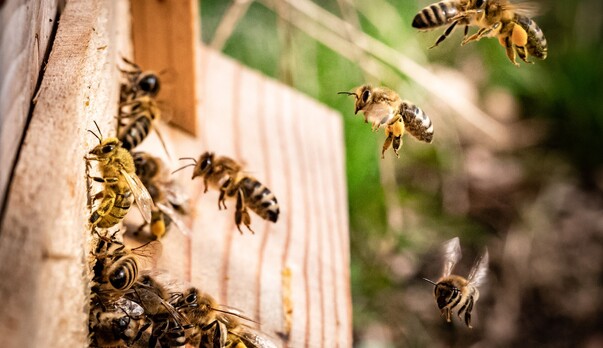
Bee pollen is collected by honey bees. As the bee moves from one flower to another it places flakes of pollen into pollen baskets on its back legs. It combines the flakes with nectar to make a
Read more
Sweetree Honey Facts
May 19th 2020
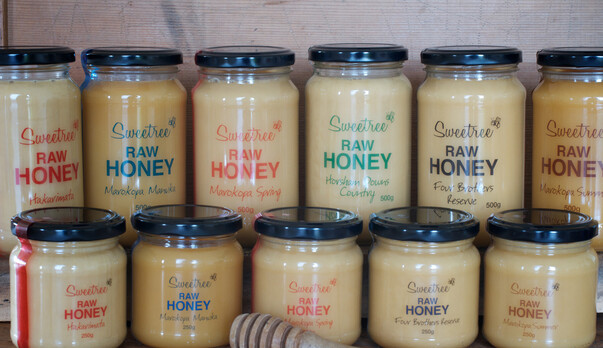
Honey is one of the oldest known sweeteners. It has been an essential part of our diet since earliest times and there is increased interest in its culinary and health properties. Not only is it
Read more
Carrot Leaves Pesto
September 10th 2022
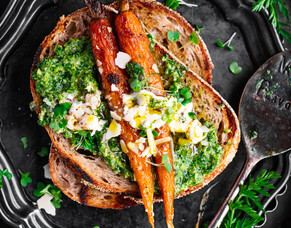
We love that Monisha from Mon's Flavours uses all kinds of vegetable scrapes in meals! Not only does it keep meals under budget but also there's no wastage, which we are passionate about.
Read more
Bee Aware Month
September 1st 2022
September is 'Bee Aware Month' and this year ApiCulture NZ is encouraging Kiwis to ‘Bee Curious' by learning more about bees and what we can do the care for them.
Read more
Sustainable Me Challenge - September
September 1st 2022
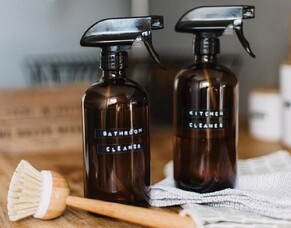
This month's 'Sustainable Me' challenge is to reduce the harsh chemical cleaners in our homes with natural alternatives. It's the time of year we give our houses a spring clean from top to bottom.
Read more
Sustainable Me Challenge - August
August 1st 2022
This month's 'Sustainable Me' challenge is to reduce our water use. You would think in clean, green New Zealand that we wouldn't need to worry about this but our fresh water resources are
Read more
Plastic Free July: Reducing Packaging
June 30th 2022
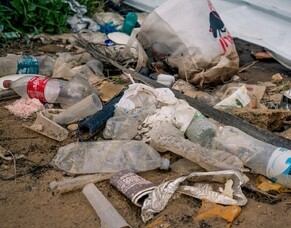
Plastic Free July is all about reducing our plastic wastage and to avoid scenes like the photo below. Plastic bottles, bags and takeaway containers that we use just for a few minutes use a material
Read more
Plastic Free July: Plastic Free Shopping
June 30th 2022
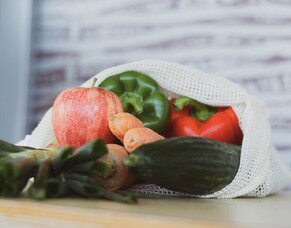
Here are some tips for limiting plastic when you are shopping this Plastic Free July.
Read more
Plastic Free July: Plastic Free Meals on the Go
June 30th 2022
Here are some tips for limiting plastic when you are eating and drinking on the go this Plastic Free July
Read more
Plastic Free July: Limiting Plastic Bag Use
June 30th 2022
This month is Plastic Free July. We're going to give you some tips on how to be plastic-free. It's great that plastic bags are banned at the counter now but there is still plenty of plastic we
Read more
World Environment & Arbor Day - 5th June
June 5th 2022
Today is 'World Environment Day' and 'Arbor Day'! It's a great reason to get out there and do something to help our environment, whether it's planting trees, tidying up trees, picking up rubbish on
Read more
Home
Shop Online
Honey
Bee Pollen
Gifts
Stockists & Markets
Become a Stockist
About
The Founders
Our people
Why Sweetree
Where are our bees
Our Awards
FAQs
Honey Feedback
Pollen Feedback
Blog
Contact
My Account
Loading...
This product has been added to your cart
CONTINUE SHOPPING
CHECKOUT